
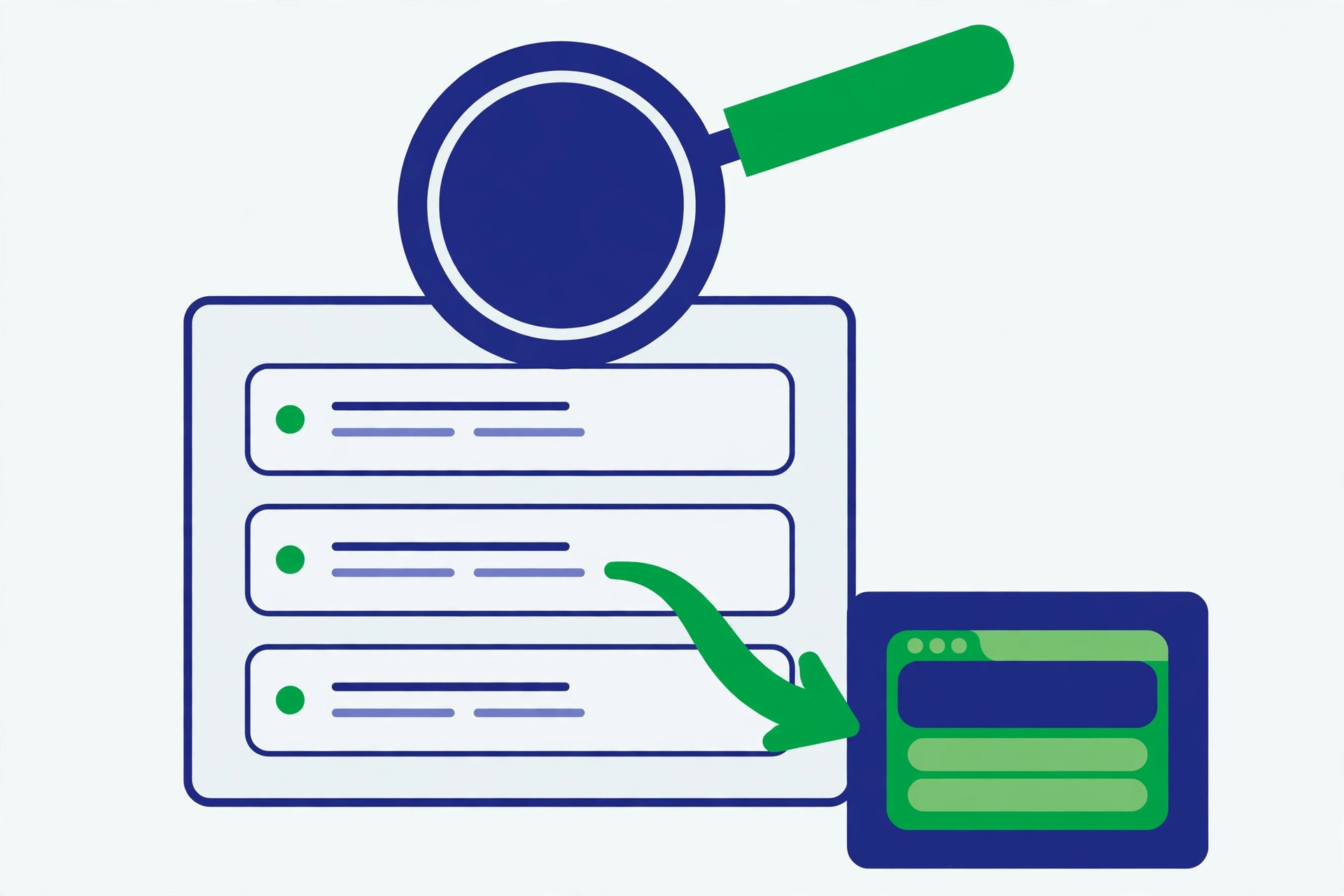
SEO shows up in almost every marketing conversation, but it is rarely explained in plain words. People nod along, then quietly wonder what it actually is. So what does SEO mean in marketing? SEO stands for search engine optimization. In marketing, it means the work of making your website show up in search results when people look for things your business offers — without paying for each click. It is one channel inside a wider marketing plan, and it works best when it is planned alongside the other channels, not in isolation.
The Plain Definition
At its simplest, SEO is making your website easy for search engines to find, understand, and trust. Search engines send out crawlers that read pages, work out what each page is about, and decide where it should rank for each search. SEO is everything you do to help that process work in your favour: clear page structure, useful content, fast loading, and links from other trusted sites.
The result is free traffic from search. When someone types “best running shoes for flat feet” into Google and your guide appears near the top, that visitor arrives because your page earned its place — not because you paid for the click. That is the core difference between SEO and paid advertising, and it is why businesses keep investing in it year after year.
How SEO Fits Into a Marketing Plan
Marketing is the whole job of finding customers and persuading them to buy. It includes advertising, social media, email, content, public relations, and more. SEO is one part of that job — the part that captures demand that already exists. People searching are people with a question or a need, and SEO puts your business in front of them at exactly that moment.
A good marketing plan uses each channel for what it does best. Paid ads bring traffic fast but stop the moment you stop paying. Social media builds awareness and community. Email keeps in touch with people who already know you. SEO builds a lasting asset: pages that keep bringing visitors month after month, long after the work of writing them is done. Our guide on what digital marketing is shows how these channels fit together.
What SEO Actually Involves
SEO breaks down into three kinds of work. Technical SEO makes sure search engines can read your site: fast loading, mobile-friendly pages, a clean structure, and no broken links. On-page SEO makes each page clear about its topic: a good title, headings that match what people search for, and content that answers the question properly. Off-page SEO builds trust: links and mentions from other respected websites that signal your site is worth ranking.
None of these works alone. A beautifully written page on a site Google cannot crawl will not rank. A technically perfect site with thin content has nothing worth ranking. And a great page with no links may sit unnoticed for months. If you want the details, our guide on what SEO is explains each part in depth, and our piece on why SEO is important covers the business case in numbers.
Examples of SEO in Marketing
A local dentist writes a guide answering “how much does teeth whitening cost?” and ranks first in her city. Patients find the page, trust the practice, and book. That is SEO doing the job of a salesperson, around the clock.
An online shop writes buying guides for its products — “how to choose a hiking backpack” — and ranks for hundreds of searches from people who are not yet ready to buy. Months later, when they are ready, they come back to the shop they already trust. That is SEO doing the job of brand building.
A software company publishes comparison pages and tutorials that rank for the exact phrases its buyers search. Its sales team then talks to leads who already understand the product. That is SEO doing the job of lead qualification. In each case, the same pattern holds: useful content, found at the right moment, turns a stranger into a customer.
What SEO Is Not
SEO is not a trick, and it is not a one-time fix. Tactics that try to game search engines — hidden text, keyword stuffing, bought links — worked briefly years ago and now earn penalties. Real SEO is slower and more honest: build a good website, publish useful pages, and earn trust over time.
SEO is also not the whole of marketing. It will not fix a bad product, and it will not reach people who are not searching yet. That is why the strongest marketing plans pair SEO with other channels. Search captures the demand; social media and advertising create it.
Frequently Asked Questions
What does SEO mean in marketing?
SEO means search engine optimization: the work of getting your website to rank in search results so people find your business when they search for what you offer, without paying per click.
Is SEO part of digital marketing?
Yes. Digital marketing covers all online channels — search, social media, email, advertising — and SEO is the part focused on earning visibility in organic search results.
What is the difference between SEO and SEM?
SEM, search engine marketing, usually means paid search advertising. SEO means earning rankings without paying per click. Many businesses use both: ads for speed, SEO for lasting results.
Why do marketers care about SEO?
Because search traffic is high-intent traffic. People who search are actively looking for something, so they convert far better than people who merely see an ad while scrolling.
Leave a Reply