Instagram Caption Seo works best when the advice begins with a real problem. Write searchable captions without sacrificing clarity or personality. This guide explains the decisions behind the process, shows how to test them, and separates useful practices from common assumptions. It is written for readers who want a repeatable method rather than a promise of instant rankings.
The challenge with instagram caption SEO is not simply finding a phrase to repeat. People arrive with different expectations, levels of knowledge, and next steps. A helpful article makes those differences clear. We will use practical examples, define what success might look like, and show which signals should be treated cautiously.
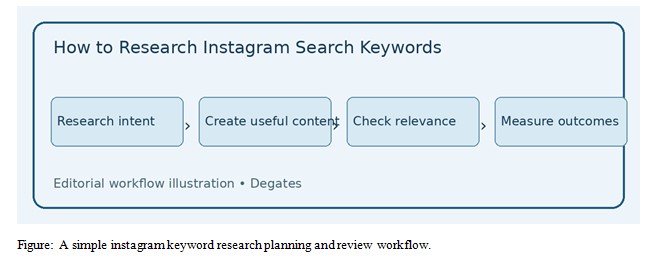
Figure: A simple instagram caption SEO planning and review workflow.
Start with the searcher’s task
Someone searching for a local bakery wants a different answer from someone searching for sourdough instructions. The first may need location and opening information; the second needs a helpful tutorial. Write down the exact action a person hopes to take after finding your content. That decision shapes your profile wording, examples, captions, and calls to action.
For instagram caption seo for reels and posts, begin with a real scenario instead of a list of abstract recommendations. A travel reel about a weekend in Lisbon should name the location, explain the route, and tell viewers which stops are suitable for a short visit. A caption made only of emojis does not provide the same context. The practical question is whether the page or post gives a person enough information to decide what to do next. If the answer is unclear, adding the phrase ‘instagram caption SEO’ several more times will not solve the problem. Rewrite the explanation until the benefit and limitation are both obvious.
Map the language people actually use
Open Instagram search and note autocomplete suggestions for your core topic. Compare the words in profiles and posts that appear for each query. Save variations such as beginner, near me, tutorial, ideas, and comparison only when they fit your offer. Search results vary by account activity and location, so treat this as qualitative research rather than a fixed national ranking.
A second way to test the recommendation is to compare two reasonable choices. For a tutorial on product photography, describe the setup, light source, and camera angle. That information helps a viewer decide whether to save the post and gives the caption a natural vocabulary. Note what changes between them: the audience, the task, the format, or the evidence. This comparison gives the reader a decision rule they can reuse, which is more valuable than a checklist that treats every situation as identical.
Improve profile relevance
Use a recognizable account name and a bio that says who you help and what you provide. Include one natural topic phrase when it makes sense. A local photographer might mention the city and service, while a recipe creator might name the cooking style. Avoid packing unrelated terms into a profile that real people cannot read.
Work through the change in a small test before applying it everywhere. Record the original wording, what you adjusted, and the reason. Ask whether someone unfamiliar with the project would understand the example without a sales pitch. If not, add the missing context. The purpose of instagram caption SEO is to make useful information easier to find and understand, not to disguise thin content with terminology.
Build a useful post around one intent
Lead with the question or problem, demonstrate the answer, and give the viewer a next step. A reel on beginner camera settings should show settings in action instead of relying on a generic motivational caption. Add relevant context in the caption so the content makes sense even to someone who has never visited your profile.
Finally, consider what could go wrong. A broad phrase may attract the wrong audience; an attractive headline may promise more than the content delivers; and a metric may improve without creating business value. Explain these trade-offs to readers. A clear limitation is a sign of careful advice, not a weakness. It also makes future revisions easier because the original assumptions are visible.
Use captions, visuals, and accessibility together
Write captions in natural language and put important context near the beginning. Add accurate alt text when the publishing interface allows it. Describe what the image shows rather than repeating a keyword five times. On-screen text can make a video easier to understand, but do not assume every visual element is a direct search ranking factor.
For instagram caption seo for reels and posts, begin with a real scenario instead of a list of abstract recommendations. A travel reel about a weekend in Lisbon should name the location, explain the route, and tell viewers which stops are suitable for a short visit. A caption made only of emojis does not provide the same context. The practical question is whether the page or post gives a person enough information to decide what to do next. If the answer is unclear, adding the phrase ‘instagram caption SEO’ several more times will not solve the problem. Rewrite the explanation until the benefit and limitation are both obvious.
Compare results carefully
Review reach, profile visits, saves, shares, comments, and meaningful actions such as messages or site visits. Instagram Insights may not attribute every visit to a specific query. Record the post format, topic, date, and audience question. A post that brings fewer views but qualified inquiries may be more valuable than a broad viral post.
A second way to test the recommendation is to compare two reasonable choices. For a tutorial on product photography, describe the setup, light source, and camera angle. That information helps a viewer decide whether to save the post and gives the caption a natural vocabulary. Note what changes between them: the audience, the task, the format, or the evidence. This comparison gives the reader a decision rule they can reuse, which is more valuable than a checklist that treats every situation as identical.
Avoid shortcuts that damage trust
Do not buy engagement, copy competing captions, or make every post a wall of hashtags. Search discovery is influenced by relevance and user behavior, not a single magic setting. Check that each claim in a post can be supported, particularly when discussing health, money, or product results.
Work through the change in a small test before applying it everywhere. Record the original wording, what you adjusted, and the reason. Ask whether someone unfamiliar with the project would understand the example without a sales pitch. If not, add the missing context. The purpose of instagram caption SEO is to make useful information easier to find and understand, not to disguise thin content with terminology.
Create a sustainable review routine
Choose a small group of priority topics, publish genuinely helpful examples, and revisit them after enough time has passed to see a pattern. Keep what works, revise unclear introductions, and retire topics that do not serve the audience. Record observations rather than announcing success based on one screenshot.
Finally, consider what could go wrong. A broad phrase may attract the wrong audience; an attractive headline may promise more than the content delivers; and a metric may improve without creating business value. Explain these trade-offs to readers. A clear limitation is a sign of careful advice, not a weakness. It also makes future revisions easier because the original assumptions are visible.
A practical implementation example
A travel reel about a weekend in Lisbon should name the location, explain the route, and tell viewers which stops are suitable for a short visit. A caption made only of emojis does not provide the same context.
Imagine a small team reviewing instagram caption SEO on Monday. One person gathers examples, another checks whether the content answers the audience’s question, and a third verifies the live result. The team records one main decision for each page or post. This makes responsibility visible and prevents an audit from turning into a collection of suggestions nobody implements.
For a tutorial on product photography, describe the setup, light source, and camera angle. That information helps a viewer decide whether to save the post and gives the caption a natural vocabulary.
On Friday, the team reviews what actually changed. It does not infer causation from one chart or assume every increase came from its latest edit. Instead, it compares the original goal with the observable result, documents uncertainties, and decides whether to keep, revise, or stop the approach. That habit makes future work more reliable.
Common questions
How quickly does instagram caption SEO produce results?
There is no universal timeline. Results depend on competition, existing visibility, the quality of the work, audience behavior, and how often platforms process changes. Use a baseline and review trends rather than a guaranteed date.
Should I repeat ‘instagram caption SEO’ in every heading?
No. Use the focus phrase naturally where it helps the reader, including an early introduction and a relevant heading. Related wording and clear explanations matter more than mechanical repetition.
Can a checklist replace expert review?
A checklist catches omissions, but it cannot fully judge whether the content meets a person’s need. Combine basic technical checks with editorial judgment and evidence from actual users.
Related Degates resources
Degates SEO tools and page analyzer — review page-level titles, descriptions, headings, and related signals.
Degates Meta Tag Generator — create draft title and social metadata for a web page.
Degates SEO insights — explore additional SEO guides and practical explanations.
External sources and further reading
Instagram search ranking explanation (Search Engine Journal) | Instagram SEO research (Semrush)
Final takeaway
Treat instagram caption SEO as a structured decision process: identify the audience’s real question, provide a useful answer, make it accessible, and review outcomes with appropriate caution. The strongest improvements are understandable to the people using the content. Keep the workflow simple enough to repeat and specific enough to audit.
How to Measure Instagram Search Visibility
Focus keyphrase: instagram search visibility
SEO title: Instagram Search Visibility | Practical Guide | Degates
Meta description: Instagram Search Visibility: practical steps, examples, mistakes to avoid, and a measurable workflow for better decisions.
Suggested slug: measure-instagram-search-visibility
Suggested image alt text: instagram search visibility workflow showing research, content, relevance, and measurement
Cluster: Instagram search optimization | Article 5 of 5
Introduction
Instagram Search Visibility works best when the advice begins with a real problem. Measure useful discovery signals without pretending Instagram supplies Google-style rankings. This guide explains the decisions behind the process, shows how to test them, and separates useful practices from common assumptions. It is written for readers who want a repeatable method rather than a promise of instant rankings.
The challenge with instagram search visibility is not simply finding a phrase to repeat. People arrive with different expectations, levels of knowledge, and next steps. A helpful article makes those differences clear. We will use practical examples, define what success might look like, and show which signals should be treated cautiously.
Figure: A simple instagram search visibility planning and review workflow.
Start with the searcher’s task
Someone searching for a local bakery wants a different answer from someone searching for sourdough instructions. The first may need location and opening information; the second needs a helpful tutorial. Write down the exact action a person hopes to take after finding your content. That decision shapes your profile wording, examples, captions, and calls to action.
For how to measure instagram search visibility, begin with a real scenario instead of a list of abstract recommendations. A pottery shop may publish a beginner wheel-throwing reel and a studio booking announcement. The reel may earn saves; the announcement may drive messages. Treat those outcomes separately rather than declaring the higher-reach post the winner. The practical question is whether the page or post gives a person enough information to decide what to do next. If the answer is unclear, adding the phrase ‘instagram search visibility’ several more times will not solve the problem. Rewrite the explanation until the benefit and limitation are both obvious.
Map the language people actually use
Open Instagram search and note autocomplete suggestions for your core topic. Compare the words in profiles and posts that appear for each query. Save variations such as beginner, near me, tutorial, ideas, and comparison only when they fit your offer. Search results vary by account activity and location, so treat this as qualitative research rather than a fixed national ranking.
A second way to test the recommendation is to compare two reasonable choices. Use a simple weekly log: content topic, format, reach, saves, profile actions, and notes. Do not claim a particular Instagram keyword ranking unless the platform supplies reliable evidence for that claim. Note what changes between them: the audience, the task, the format, or the evidence. This comparison gives the reader a decision rule they can reuse, which is more valuable than a checklist that treats every situation as identical.
Improve profile relevance
Use a recognizable account name and a bio that says who you help and what you provide. Include one natural topic phrase when it makes sense. A local photographer might mention the city and service, while a recipe creator might name the cooking style. Avoid packing unrelated terms into a profile that real people cannot read.
Work through the change in a small test before applying it everywhere. Record the original wording, what you adjusted, and the reason. Ask whether someone unfamiliar with the project would understand the example without a sales pitch. If not, add the missing context. The purpose of instagram search visibility is to make useful information easier to find and understand, not to disguise thin content with terminology.
Build a useful post around one intent
Lead with the question or problem, demonstrate the answer, and give the viewer a next step. A reel on beginner camera settings should show settings in action instead of relying on a generic motivational caption. Add relevant context in the caption so the content makes sense even to someone who has never visited your profile.
Finally, consider what could go wrong. A broad phrase may attract the wrong audience; an attractive headline may promise more than the content delivers; and a metric may improve without creating business value. Explain these trade-offs to readers. A clear limitation is a sign of careful advice, not a weakness. It also makes future revisions easier because the original assumptions are visible.
Use captions, visuals, and accessibility together
Write captions in natural language and put important context near the beginning. Add accurate alt text when the publishing interface allows it. Describe what the image shows rather than repeating a keyword five times. On-screen text can make a video easier to understand, but do not assume every visual element is a direct search ranking factor.
For how to measure instagram search visibility, begin with a real scenario instead of a list of abstract recommendations. A pottery shop may publish a beginner wheel-throwing reel and a studio booking announcement. The reel may earn saves; the announcement may drive messages. Treat those outcomes separately rather than declaring the higher-reach post the winner. The practical question is whether the page or post gives a person enough information to decide what to do next. If the answer is unclear, adding the phrase ‘instagram search visibility’ several more times will not solve the problem. Rewrite the explanation until the benefit and limitation are both obvious.
Compare results carefully
Review reach, profile visits, saves, shares, comments, and meaningful actions such as messages or site visits. Instagram Insights may not attribute every visit to a specific query. Record the post format, topic, date, and audience question. A post that brings fewer views but qualified inquiries may be more valuable than a broad viral post.
A second way to test the recommendation is to compare two reasonable choices. Use a simple weekly log: content topic, format, reach, saves, profile actions, and notes. Do not claim a particular Instagram keyword ranking unless the platform supplies reliable evidence for that claim. Note what changes between them: the audience, the task, the format, or the evidence. This comparison gives the reader a decision rule they can reuse, which is more valuable than a checklist that treats every situation as identical.
Avoid shortcuts that damage trust
Do not buy engagement, copy competing captions, or make every post a wall of hashtags. Search discovery is influenced by relevance and user behavior, not a single magic setting. Check that each claim in a post can be supported, particularly when discussing health, money, or product results.
Work through the change in a small test before applying it everywhere. Record the original wording, what you adjusted, and the reason. Ask whether someone unfamiliar with the project would understand the example without a sales pitch. If not, add the missing context. The purpose of instagram search visibility is to make useful information easier to find and understand, not to disguise thin content with terminology.
Create a sustainable review routine
Choose a small group of priority topics, publish genuinely helpful examples, and revisit them after enough time has passed to see a pattern. Keep what works, revise unclear introductions, and retire topics that do not serve the audience. Record observations rather than announcing success based on one screenshot.
Finally, consider what could go wrong. A broad phrase may attract the wrong audience; an attractive headline may promise more than the content delivers; and a metric may improve without creating business value. Explain these trade-offs to readers. A clear limitation is a sign of careful advice, not a weakness. It also makes future revisions easier because the original assumptions are visible.
A practical implementation example
A pottery shop may publish a beginner wheel-throwing reel and a studio booking announcement. The reel may earn saves; the announcement may drive messages. Treat those outcomes separately rather than declaring the higher-reach post the winner.
Imagine a small team reviewing instagram search visibility on Monday. One person gathers examples, another checks whether the content answers the audience’s question, and a third verifies the live result. The team records one main decision for each page or post. This makes responsibility visible and prevents an audit from turning into a collection of suggestions nobody implements.
Use a simple weekly log: content topic, format, reach, saves, profile actions, and notes. Do not claim a particular Instagram keyword ranking unless the platform supplies reliable evidence for that claim.
On Friday, the team reviews what actually changed. It does not infer causation from one chart or assume every increase came from its latest edit. Instead, it compares the original goal with the observable result, documents uncertainties, and decides whether to keep, revise, or stop the approach. That habit makes future work more reliable.
Common questions
How quickly does instagram search visibility produce results?
There is no universal timeline. Results depend on competition, existing visibility, the quality of the work, audience behavior, and how often platforms process changes. Use a baseline and review trends rather than a guaranteed date.
Should I repeat ‘instagram search visibility’ in every heading?
No. Use the focus phrase naturally where it helps the reader, including an early introduction and a relevant heading. Related wording and clear explanations matter more than mechanical repetition.
Can a checklist replace expert review?
A checklist catches omissions, but it cannot fully judge whether the content meets a person’s need. Combine basic technical checks with editorial judgment and evidence from actual users.
Related Degates resources
Degates SEO tools and page analyzer — review page-level titles, descriptions, headings, and related signals.
Degates Meta Tag Generator — create draft title and social metadata for a web page.
Degates SEO insights — explore additional SEO guides and practical explanations.
External sources and further reading
Instagram search ranking explanation (Search Engine Journal) | Instagram SEO research (Semrush)
Final takeaway
Treat instagram search visibility as a structured decision process: identify the audience’s real question, provide a useful answer, make it accessible, and review outcomes with appropriate caution. The strongest improvements are understandable to the people using the content. Keep the workflow simple enough to repeat and specific enough to audit.
Leave a Reply